

Home / School of Humanities & Social Sciences / Department of Social Sciences & Languages / BA Political Science, Sociology
The Political Science–Sociology Double Major Programme offers an intellectually rigorous and interdisciplinary learning experience that integrates the analytical depth of Political Science with the critical sociological understanding of society. Designed in alignment with the NEP framework, the programme enables students to explore the dynamic relationship between power, governance, and social structures while developing strong theoretical foundations and applied research skills.
By combining courses on political theory, democracy, public policy, and international relations with sociological perspectives on stratification, gender, law, marginalization, and social change, the programme nurtures holistic thinkers capable of interpreting complex social realities. Emphasizing Outcome-Based Education, experiential learning, policy analysis, and critical engagement, graduates emerge as socially responsible, analytically skilled, and democratically engaged citizens prepared for civil services, research, public service, and transformative social action.
Integrates political theory, democracy, public policy and international relations with sociological perspectives on stratification, gender, law and social change.
Mock Parliament, Mock Elections, field visits to Parliament, Rashtrapati Bhavan and archives, plus interactions with bureaucrats and policy practitioners.
Outcome-based education, policy analysis and critical engagement preparing students for civil services, research and public service.
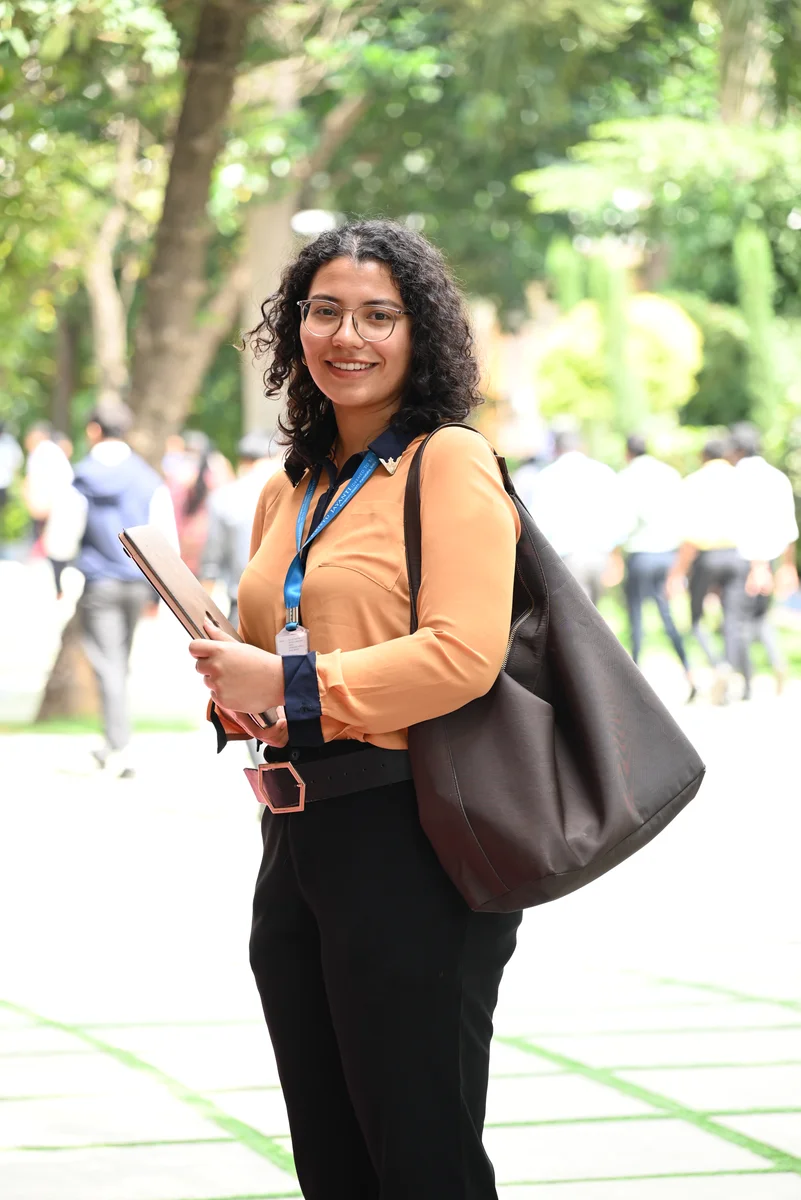
A three-year double-major pathway integrating political analysis with sociological understanding for civil services, policy and social engagement.
Programme: Bachelor of Arts in Political Science and Sociology (Double Major)
Duration: 3 Years (Optional 4th Year – BA Honours under NEP 2020)
Mode: Full-Time Undergraduate Programme
Academic Focus: Political theory, democracy, public policy, international relations, social stratification, gender, law and social change
Practical Component: Mock Parliament, Mock Elections, field visits, interactions with bureaucrats, panel discussions and community engagement
Pathway: Civil services, public policy, research, NGOs, media and higher education
Review the mandatory academic qualifications and minimum score criteria required for admission.
Candidates with a higher secondary certificate or equivalent from a recognized Indian/Foreign educational institution with 40% marks (35% for SC/ST students of Karnataka region) or equivalent CGPA are eligible to apply.
Looking for a programme that matches your interests?
Find Programmes by InterestTargeted competencies and practical mastery achieved by graduates throughout their academic journey.
PSO1: Comprehensive understanding of governance, public policy, political institutions and social processes.
PSO2: Advanced analytical and research skills essential for civil services, policy analysis and academic pursuits.
PSO3: Ability to critically evaluate social, political and economic issues through interdisciplinary approaches.
PSO4: Practical exposure to democratic institutions, administrative systems and civic engagement mechanisms.
PSO5: Strengthened communication, debating and leadership abilities through simulations, discussions and public forums.
PSO6: Cultivation of social responsibility and ethical awareness through community engagement and experiential learning.
Key strengths, experiential learning, and strategic career advantages offered by the programme.
Understanding power, governance and social structures is essential for those who aim to shape public life. A double-major programme that combines Political Science with Sociology builds both analytical depth and critical social insight.
The BA Political Science, Sociology programme emphasises outcome-based education, experiential learning and policy analysis—through Mock Parliament, field visits and engagement with practitioners—preparing students for civil services, research and transformative social action.
Choosing this programme enables students to:
With strong analytical skills and democratic engagement, graduates emerge as socially responsible citizens prepared for public service, research and civil society roles.